


Palm Springs, CA
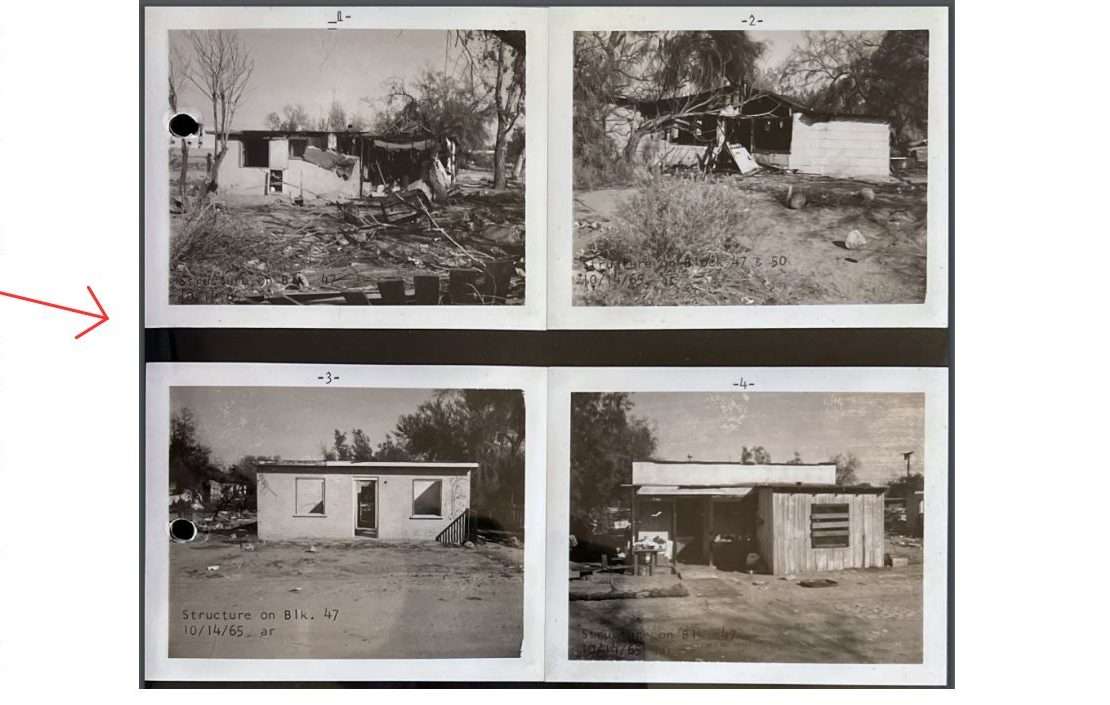
The City of Palm Springs has reached a historic agreement with the survivors of Section 14, a once-thriving community that was destroyed in the 1950s and 1960s to make way for commercial development. The agreement, valued at nearly $21 million, acknowledges the City’s role in the displacement of hundreds of African American and Latino residents, whose homes were demolished without warning to clear space for growth. The settlement represents a culmination of decades of advocacy, legal efforts, and emotional hardship for the survivors and their families.
On Thursday, November 14, the Palm Springs City Council will vote on the landmark agreement, which promises to provide direct financial compensation and a range of community-focused initiatives aimed at healing historical wounds and promoting equitable growth in the city.
A Comprehensive Settlement
The City has agreed to a $5.91 million cash settlement to compensate verified former residents of Section 14 and their descendants for the personal property losses incurred when the community was razed. This settlement amount reflects a revision from an earlier proposal of $4.3 million, after it was determined that an estimated 197 homes, rather than 145, had been impacted by the abatement process. This settlement is part of a broader $21 million package designed to promote long-term justice and support for Palm Springs’ marginalized communities.
In addition to the financial compensation, the agreement includes a comprehensive set of initiatives to ensure that the legacy of Section 14 is honored and that the community benefits from investments in housing, economic development, and cultural preservation:
- $20 Million for Housing Initiatives: Over the next ten years, $20 million will be directed toward affordable housing programs, including a first-time homebuyer assistance program and the creation of a Community Land Trust. These programs are designed to increase housing accessibility, particularly for low-income residents and descendants of Section 14.
- $1 Million for Small Business Support: Partnering with the Caravanserai Project, the City will allocate $1 million over five years to provide grants and low-interest loans aimed at fostering economic empowerment and supporting small businesses in marginalized communities.
- Cultural Initiatives: Plans are underway to create a Section 14 memorial monument and dedicate future public parks to honor the community’s legacy. The City also plans to rename a local park in recognition of the Section 14 Survivors and their contributions to the city.
“We are making history in Palm Springs,” said Areva Martin, lead counsel for the Section 14 Survivors. “This agreement demonstrates that it’s never too late to acknowledge past wrongs and take meaningful steps toward justice. The survivors’ persistence has finally led to this transformative moment. The eyes of the nation are on Palm Springs, and with this vote, we have the opportunity to set a powerful precedent for how cities can address historical injustices.”
Section 14 Survivors Claim Restorative Justice at Last
The journey toward this agreement has been long and fraught with challenges. Section 14, a one-square-mile area east of downtown Palm Springs, was home to a vibrant community of predominantly African American and Latino residents. In the late 1950s and early 1960s, the City of Palm Springs, driven by commercial development goals, forcibly displaced the residents and destroyed their homes without compensation, leaving them to rebuild their lives elsewhere. Many families were unable to recover their lost property, wealth, and sense of community, resulting in generations of economic and emotional hardship.
The Section 14 Survivors, led by their president Pearl Devers, have worked tirelessly for years to bring attention to the injustice. They were supported by civil rights organizations, elected officials, and legal experts, including Martin, whose advocacy played a pivotal role in securing this historic settlement. Martin expressed her pride in the survivors’ bravery, noting that despite the years of hardship, they remained steadfast in their pursuit of justice.
“We tried for years to bring attention to this case. We approached multiple attorneys, but no one believed in us the way that Attorney Areva Martin did. Now, this agreement is a long-overdue recognition of what we experienced,” said Devers. “While no amount of money can fully restore what we lost, this agreement helps pave the way for us all to finally move forward.”
A Path Toward Healing
The resolution of this claim comes at a time when the City of Palm Springs is actively working toward addressing issues of racial and economic inequality. The City’s commitment to addressing the injustices faced by Section 14 residents is part of a broader movement toward restorative justice. As part of the agreement, the City has committed to working with the Section 14 Survivors to establish a community-driven cultural and racial healing center, which will serve as a space for dialogue, education, and reconciliation.
“We are taking bold and important action that will create lasting benefits for our entire community,” said Mayor Jeffrey Bernstein. “This is a significant moment for Palm Springs. By investing in housing, supporting small businesses, and honoring the legacy of Section 14, we are laying the groundwork for a more inclusive and equitable future.”
Looking Ahead
The City Council is set to vote on the agreement at its upcoming meeting on November 14, 2024, at 5:30 p.m. in the Palm Springs City Hall Council Chamber. The meeting will be open to the public, and residents are encouraged to attend and provide public comment. The meeting will also be available for viewing online via the City’s website, YouTube, and Palm Springs Community Television Channel 17.
If approved, this historic settlement will bring a measure of justice and recognition to the former residents of Section 14 and set a precedent for how communities can confront and heal from the painful legacies of the past.
The Section 14 Survivors continue to hold hope that the resolution of their case will serve as a beacon for other communities across the country, showing that even the most longstanding injustices can be addressed with a commitment to equity, accountability, and healing.
To learn more about the history of Section 14 and the full details of the agreement, residents are invited to visit EngagePalmSprings.com and read the “Section 14 Historical Context Study,” which provides further insight into the impact of the City’s actions on the community.

You must be logged in to post a comment.