

DESERT HOT SPRINGS, CA
The Desert Hot Springs Police Department held a public discussion Monday, November 9, about surveillance technology, including automated license plate readers, drones and other tools used in law enforcement. The forum was scheduled for 6 p.m. at the department’s new Police Annex, 65950 Pierson Boulevard. Police and city officials said they wanted to explain the technology and hear residents’ concerns about privacy and transparency. KESQ reported that attendance was light and city leaders acknowledged the meeting had been arranged on short notice.
What Are Flock Cameras?
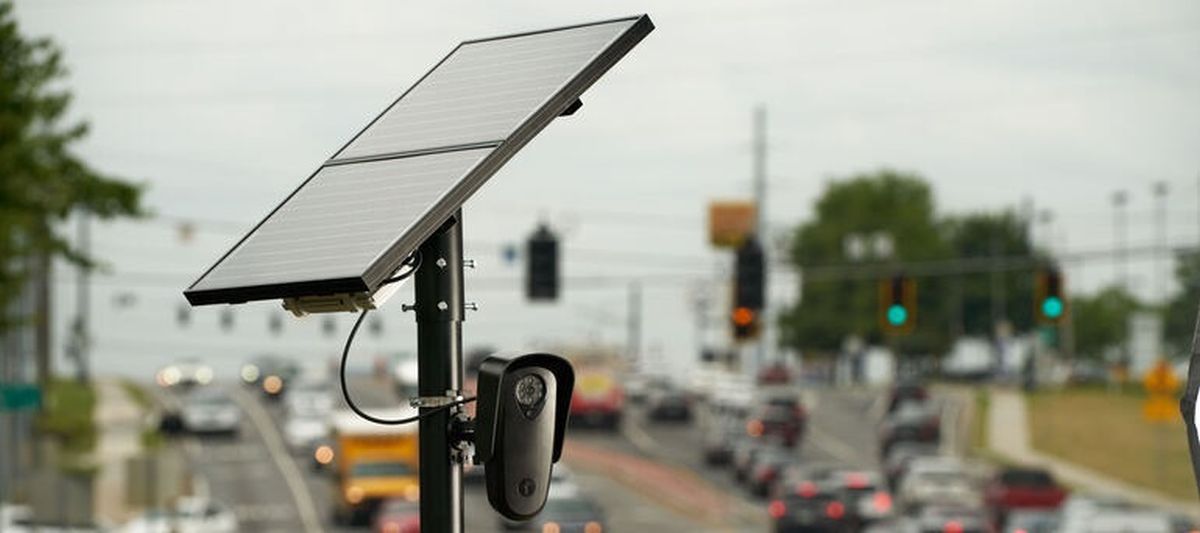
One technology under discussion was the Flock automated license plate recognition system. Such cameras can record license plate numbers, vehicle descriptions, times and locations. Investigators may use the records to search for stolen vehicles, locate missing people or identify vehicles connected to criminal investigations. The systems can also create searchable records of ordinary drivers who are not suspected of wrongdoing. That capability has raised questions about how long the data is kept, who may search it and whether it can be shared with other agencies.
The Privacy Debate
The central issue is not simply whether surveillance tools can help solve crimes. It is how those tools should be governed. A camera network can record vehicle movements across multiple locations, and combining records can reveal travel patterns. Privacy advocates have raised concerns about unauthorized searches, data breaches and sharing information beyond its original purpose. Police departments point to the potential benefits for criminal investigations and emergency responses. Residents may reasonably ask what written limits govern searches and what oversight is available when those limits are violated.
Drones Raise Additional Questions
Police drones can help officers search for missing people, assess dangerous incidents and observe locations that are difficult to reach. Aerial cameras can also record activity from perspectives unavailable to officers on the ground. Residents may want to know whether drones are deployed only in response to particular incidents or also for routine patrols. Policies on recording, retention and access to footage are important to evaluating their use.
Questions Still to Answer
Monday’s forum provided an opportunity for officials to explain their approach, but it does not establish the department’s complete surveillance policies. Important questions include how long license plate records are stored, which agencies have access, what rules govern drone deployment, how searches are audited and how complaints are investigated. The Palm Springs Tribune has not independently reviewed the department’s current Flock agreements, retention policies or drone operating procedures. Those records should be examined before drawing conclusions about the department’s specific practices.
A Valley-Wide Issue
The debate extends beyond Desert Hot Springs. Cities across the Coachella Valley are evaluating technology that can help police respond to emergencies and investigate crimes while also collecting information about the public. Clear written policies and regular reporting would help residents understand how these programs work and whether safeguards are effective. Monday’s discussion is a starting point, not the final word on police surveillance.

You must be logged in to post a comment.