

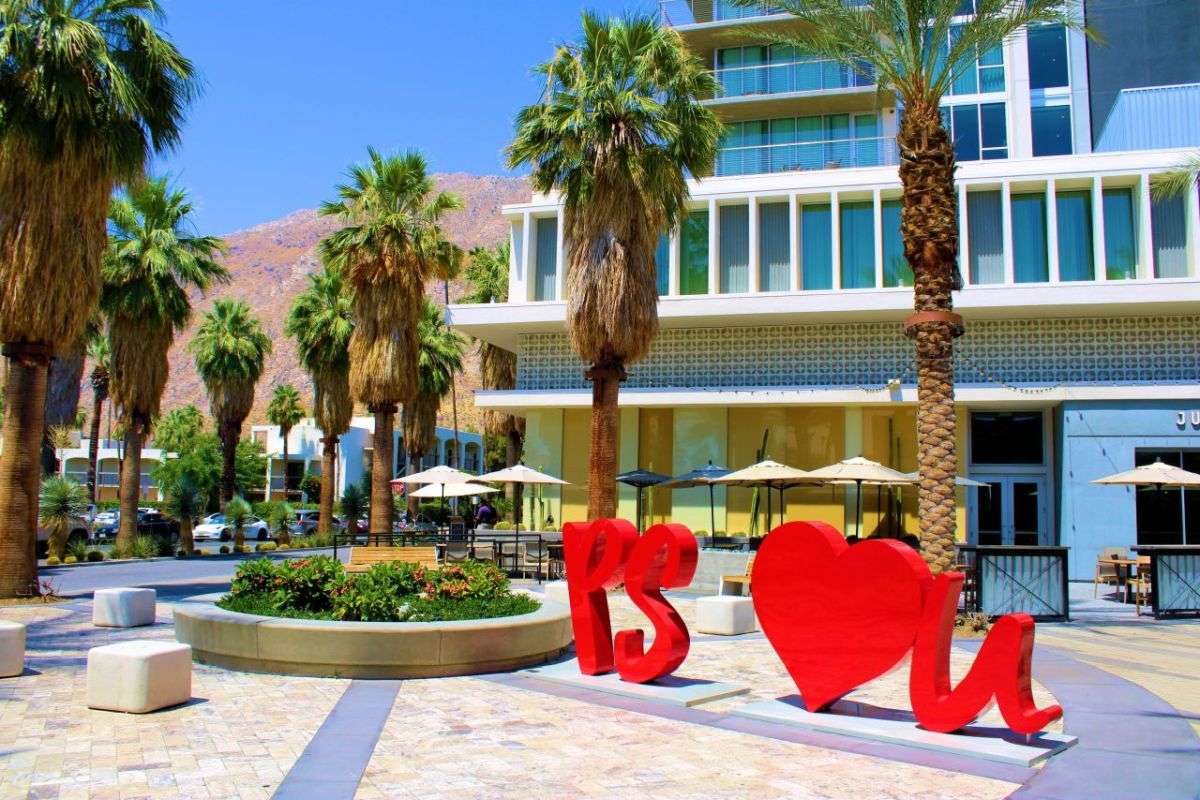
Palm Springs, CA
People often focus on the elected officials leading major towns or cities like Palm Springs, but in many cases, it’s the city staff leadership that plays a significant role in shaping the community’s quality of life and long-term direction. I recently had the opportunity to interview Wayne Olson, the Chief Economic Development Officer for the City of Palm Springs.
Wayne Olson generously took the time to answer a wide range of questions from this curious interviewer. Here is our full interview:
Eric Gray: Can you share some exciting projects or business openings that have happened recently in Palm Springs?
Wayne Olson: Our community is fortunate to have many long-standing local businesses that have served us for decades, and we take great pride in that heritage. At the same time, we’re always excited to welcome new additions to our business landscape. One notable example is the Thompson Hotel, which opened late last year. The site remained undeveloped for quite some time, and we’re incredibly grateful to the Hall Group for bringing it to life with such a beautifully executed project.
And within the Thompson, Design Within Reach recently opened adding to the activation on that corner. Bar Issi, the newest restaurant within the Thompson Hotel, also just opened its doors and is already generating a lot of interest.
We’re also seeing growth from both national and local fronts. Chains like Chick-fil-A and In-N-Out are coming to the area, bringing with them high-wage job opportunities. At the same time, local entrepreneurs are thriving, new businesses such as Peepa’s Men’s Store and Bread and Flours have recently opened, adding to the unique character and charm of our community.
Eric Gray: Can you walk us through one or two current economic development projects set to open in the future that you’re particularly excited about?
Wayne Olson: There’s a lot to look forward to on the horizon. Out Convention Center is undergoing the process of designing renovations and expansion, which includes re-thinking the connectivity on the streets from the Convention Center to and around downtown. Of course the airport is a huge project and will continue to grow in to the coming years. We currently have four major hotel projects in the pipeline. The Dream Hotel, a 156-key property with additional condos located near the convention center, is on track to open by the end of 2026, and early site activity is already underway. The team behind the Prairie Schooner site will soon be going before the Planning Commission to present their plans for a 125-key hotel. The Orchid Tree project has also been revitalized, with a new timeline aiming to open by 2029. And on North Palm Canyon, a developer has acquired the former Days Inn and is transforming it into a stylish, locally inspired boutique hotel. And yes, we’re just as excited as everyone else about the In-N-Out opening, after all, who can resist a Double-Double, animal style?
Eric Gray: How are you balancing growth and modernization with the preservation of Palm Springs’ historic character and mid-century charm?
Wayne Olson: Palm Springs owes much of its charm to the strength and passion of its preservation community. Twice a year, the world comes here to admire some of the finest mid-century modern architecture still standing today. And the best part is that it’s not a choice between preservation and progress. In Palm Springs, any building constructed before 1978 automatically goes through a detailed staff review before demolition can even be considered. Preservation is part of how we grow. Modernism was always about looking to the future, embracing innovation, and celebrating progress. That same spirit lives on in the new businesses joining our community. And, our strong architectural review process ensures that every new project respects and reflects the integrity of our city’s iconic design legacy.
Eric Gray: Palm Springs is known for its vibrant dining scene, much of which caters to mid- to high-end visitors. Are there any efforts underway to broaden the range of food options—such as limited-service, casual, or locally driven eateries—to offer more accessible choices for both residents and visitors across a wider economic spectrum?
Wayne Olson: Palm Springs has an incredible and ever-evolving dining scene, and it’s something we’re truly proud of. From classic local favorites, like Billy Reed’s, that have been serving delicious, reasonably priced meals for decades to exciting new concepts led by innovative chefs, there’s something here for everyone.
While we’re known for our high-end culinary experiences, which absolutely have their place in a world-class destination like ours, we’re equally focused on expanding access to casual, locally driven, and affordable dining options. We recognize the importance of offering a wider range of price points for both residents and visitors, and we’re actively working to attract and support restaurateurs who share that vision.
Through our strategic planning process, we’re exploring ways to better market Palm Springs to fresh, accessible, and healthy food providers. We’re also looking at tools and programs that could help lower barriers for small and independent food businesses to thrive here. Whether it’s a family-run taco spot, a health-focused café, or a new fast-casual concept, we want Palm Springs to continue reflecting the diversity, creativity, and community spirit that make it so special.
Eric Gray: Is there a strategy in place to promote diversity in culinary offerings—such as more international cuisine or vegetarian and vegan options?
Wayne Olson: Absolutely! Palm Springs is a City that celebrates diversity in every sense, and that’s reflected in our growing food scene. We’ve seen a wave of exciting new international restaurants open, including Lola Rose, Bar Issi, and Bar Cecil, many of which offer creative vegetarian and vegan options. Our goal is to keep broadening those choices to reflect the tastes and needs of both our residents and visitors.
We’re especially focused on attracting more fresh, healthy, and quick-service options, like a salad-focused spot for fast, nutritious lunches. Stores like Sprouts already provide great choices, and now it’s time to expand those offerings through a collaborative approach. As part of our strategic planning process, we’re looking at how to bring the food community together to develop a vision for a more inclusive, dynamic culinary landscape.
Eric Gray: Many events draw thousands of people to downtown Palm Springs. As attention remains strong in the downtown core, are there plans to extend similar energy, investment, or programming to Uptown Palm Springs in the near future?
Wayne Olson: Yes, and we’re really excited about it. More than three million travelers pass through our airport each year, and hundreds of thousands experience our downtown simply by driving through or choosing to stay in the heart of the City. For example, my headshot was generated at the inaugural Palm Springs AI and Creativity Expo that was sold out, and featured Rob Minkoff, Director of the animated Lion King. Events like these, along with the tech networking events that sprouted up last year, are ways we can demonstrate as a City that we are tech focused. There’s no doubt, Downtown Palm Springs is thriving, and now that same energy is extending northward. The Uptown Design District continues to attract attention, and our Commercial Districts Program is helping to organize key areas across the city.
We’ve officially recognized four districts: Arenas, Sunny Dunes (SoDo), Smoke Tree, and Rimrock. Uptown is next. City staff are actively working with local businesses there to form a new district under this program. We’re expecting to bring an update to City Council this fall, so stay tuned. This is a key step toward ensuring every part of Palm Springs shares in the City’s momentum.

Wayne Olson Chief Economic Development Officer Taken At The Palm Springs AI and Creativity Expo
Eric Gray: How is the city addressing commercial vacancy rates or underutilized properties in downtown and surrounding areas?
Wayne Olson: The City is actively working to turn underutilized properties into vibrant spaces that contribute to the community and local economy. Many of the commercial vacancies are in older Class C buildings that require significant improvements, which can be a challenge for some tenants to remodel. However, these properties also offer incredible potential for creative reuse, especially those with architectural or historic significance.
City staff maintains strong relationships with local brokers and regularly highlights these spaces to prospective businesses. We consistently encourage exploration of these unique buildings, particularly those with preservation value, and look for opportunities to support their transformation.
While some incentive programs can be complex or costly, the City focuses on practical, hands-on support to help projects move forward. Through collaboration and a focus on adaptive reuse, the City is helping bring new life to underused spaces and strengthen our commercial landscape.
Eric Gray: Building on that, from your perspective, what do you believe Palm Springs needs more of—whether in terms of businesses, services, experiences, or infrastructure—to support a well-rounded, year-round community and economy?
Wayne Olson: We’re very excited to be finalizing the City’s Economic Development Strategic Plan, led by our dedicated City staff with strong input from community members. This plan lays out a bold vision for building a vibrant, year-round economy that benefits both residents and businesses.
One of the key priorities is strengthening education and workforce pathways so local employers have access to skilled talent and residents have opportunities for well-paying jobs that support living and spending right here in Palm Springs. Once the City Council reviews the plan, we’ll begin putting it into action, focusing our efforts on high-impact initiatives that will shape a stronger, more sustainable future for the community.
Eric Gray: Are there any concrete plans or design proposals underway to improve pedestrian flow, lighting, or accessibility between Indian Canyon with Palm Canyon Drive?
Wayne Olson: Yes, and we’re excited about the work ahead. Making Palm Springs more walkable, safe, and welcoming for everyone, residents, workers, and visitors, is a top priority. Our engineering team is constantly evaluating ways to enhance accessibility and improve pedestrian flow, not just downtown but throughout the entire City.
As part of the Convention Center project, we’re redesigning the key connectors between the Center and downtown to create a more seamless, people-friendly experience. These improvements include exploring better lighting, safer crosswalks, and more shade to help keep the environment comfortable while preserving our commitment to dark sky standards.
If these enhancements prove successful and affordable, they could become a model for similar improvements citywide. The goal is simple but powerful, to make sure every corner of Palm Springs feels connected, safe, and enjoyable for the people who live and work here every day.
Eric Gray: Are there initiatives that specifically aim to balance tourism with residents’ quality of life, especially during peak seasons?
Wayne Olson: Our residents are the heart and soul of Palm Springs. They live, work, and play here year-round, and their quality of life is our top priority. While tourism is vital to our economy, supporting local businesses and creating jobs, it also plays a crucial role in funding important community programs and services. The revenue generated from visitors helps support our first responders, keep the city running smoothly, and fuel a thriving local economy. We are committed to ensuring that Palm Springs remains a welcoming, livable community for those who call it home.
We understand the unique challenges that come with being a vibrant tourist destination, and we work hard to balance the needs of visitors with those of our residents. Our goal is to foster a City where both tourism and everyday life thrive together, so everyone can enjoy all that Palm Springs has to offer.
Eric Gray: Palm Springs sees a high volume of seasonal visitors, but year-round residents are vital to the city’s economy and culture. What has the city done — or what would it like to do — to support locals through initiatives like business discounts, loyalty programs, or resident-focused incentives?
Wayne Olson: As I mentioned, our year-round residents are truly the backbone of Palm Springs’ economy and culture. We deeply value and celebrate the people who live, work, and play here every day. Many of our local businesses already show their appreciation by offering exclusive discounts and loyalty programs for residents, helping to strengthen our “Love Local” spirit.
We’re always exploring fresh ideas and new initiatives to support our community even more. In fact, this summer re-launching the Love Local Bonus Gift Card program this summer, which will give residents extra value when they support participating local businesses. The City kicks in an additional 50% to the base purchase of a $100, $200, or $300 shopping card. Our merchants loved this last year and is one of the many ways we’re giving back to the people who make Palm Springs such a vibrant and welcoming place. Purchase cards starting July 7 at https://lovelocalps.com.
Eric Gray: Palm Springs is widely known as a tourist town, but building a local economy often means creating more year-round employment. Is the city taking steps to attract or support industries that offer more full-time jobs for residents beyond the tourism sector?
Wayne Olson: Palm Springs is an iconic destination known around the world, but we’re equally committed to building a strong, vibrant local economy that offers year-round opportunities for our residents. Creating more full-time jobs beyond the tourism sector is a top priority for the City.
With our Economic Development Strategic Plan nearly finalized, we have a clear roadmap filled with exciting actions designed to grow a diverse, sustainable year-round economy. Over the next year, as we roll out this plan, we will carefully evaluate and implement targeted incentives to attract and support industries that provide quality, full-time employment, making sure every dollar of taxpayer investment delivers real, lasting benefits for our community.
A key part of this vision is our partnership with College of the Desert’s Palm Springs campus, which is developing unique programs to train local residents and prepare them for jobs in casino operations, culinary arts, tourism, and other growing industries. This initiative will help create quality local jobs and ensure our workforce is ready for the opportunities ahead.
The future is bright for Palm Springs, and we’re energized by the possibilities to create meaningful jobs that keep our city thriving all year long.
Eric Gray: What kind of collaboration exists between your office and local tribes, particularly in areas like land use, business development, or tourism?
Wayne Olson: We deeply respect and honor the rich history and enduring connection that the Agua Caliente Band of Cahuilla Indians, the native people of this land have with Palm Springs. Our office is proud to maintain a strong, collaborative relationship with the Agua Caliente Tribal Economic Development office. We regularly communicate and strive to meet in person each quarter whenever possible. Additionally, our City Manager and Tribal Manager have ongoing check-ins to ensure open and consistent dialogue.
Tribal projects undergo City review and comment, providing valuable opportunities for partnership and shared vision. Through these close and continuous connections, we work together toward common goals that benefit both the Tribe and the broader Palm Springs community.
Eric Gray: What would you consider a “big win” for Palm Springs in the next 3–5 years—something that would mark a turning point for the city’s economic future?
Wayne Olson: Looking ahead, two major milestones stand out as transformative wins for Palm Springs over the next 3 to 5 years. First is the completion of the Convention Center renovation and expansion, along with the development of the Connectors. Second is the ongoing investment of $1.5 billion in upgrades at the Palm Springs Airport.
If the Airport is the Valley’s welcoming front door, then the Convention Center is its vibrant living room, both essential to making a powerful first impression and creating unforgettable experiences. The Airport alone supports over 18,000 jobs and drives a $2.5 billion economic impact throughout the region. Meanwhile, the renovated Convention Center is expected to generate more than $100 million annually in local spending.
These projects are more than infrastructure improvements, they are bold investments in our future, fueling growth, innovation, and opportunity. By keeping these institutions dynamic, modern, and welcoming, we are setting the stage for Palm Springs to thrive as a world-class destination and a resilient, flourishing community. The best is truly yet to come.
After ending the interview Wayne added, “Our Economic Development Strategic Plan is nearing its completion. The Plan focuses on building a year-round economy, while continuing to support our hospitality and tourism industry. In addition to the traditional business retention, expansion and recruitment efforts, we are working toward building our tech industries, including green grid, but also arts & culture as an economic driver. We are also focused on developing educational pathways to supply our employers with a qualified workforce, jobs for that workforce and market affordable housing for families. So, not only are we growing our local economy, we are also offering a sustainable place to live and work for families and kids.”
You must be logged in to post a comment.