

PALM DESERT, CA
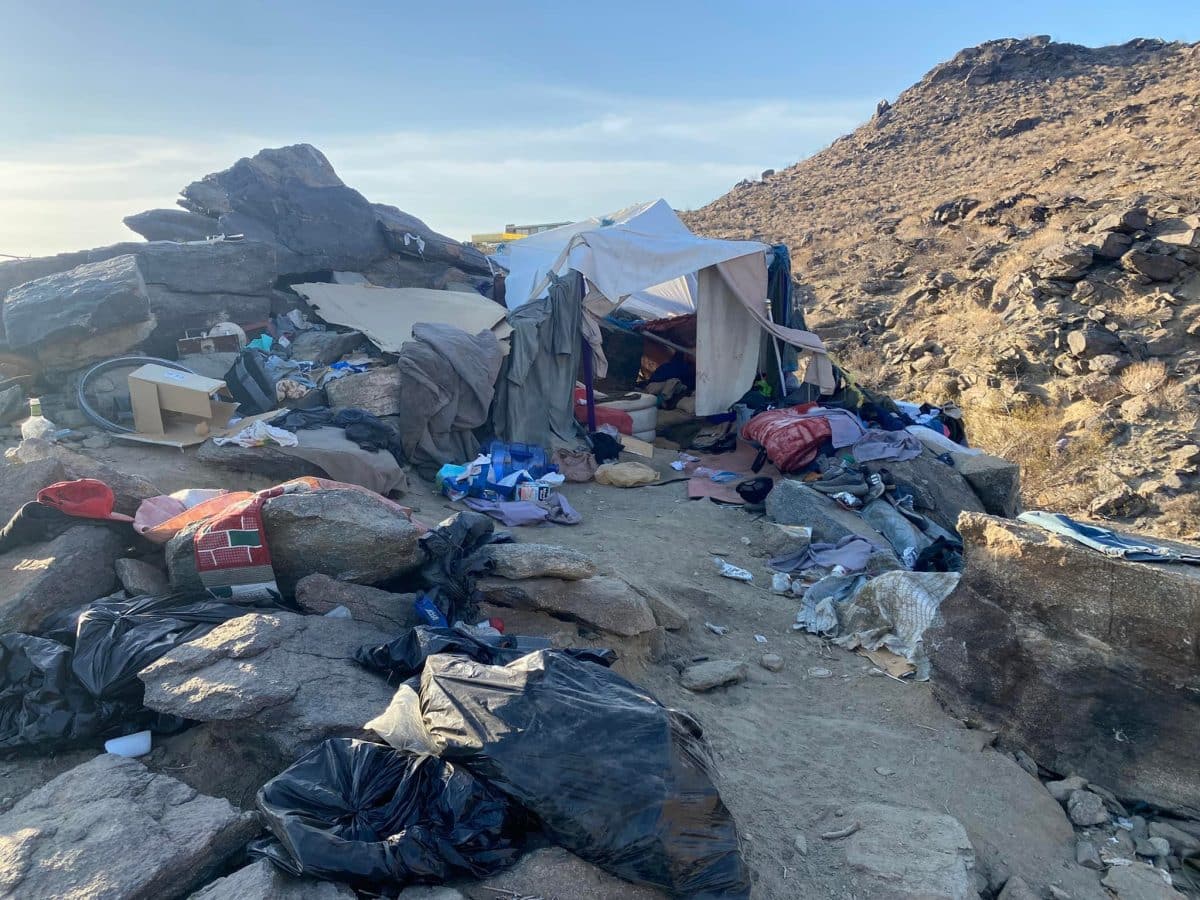
A regional homelessness program serving the Coachella Valley is falling behind its permanent-housing goals, according to a new report from the Coachella Valley Association of Governments. The CV Housing First program permanently housed 29 people through September 2026, compared with an annual goal of 65. The report also shows 53 participants returned to the streets after receiving temporary housing assistance. Those figures were reported Wednesday, November 18, as CVAG officials prepared to discuss performance, possible changes for 2027 and additional funding.
Housing placements slow during the year
The program recorded 18 permanent placements in the first quarter, four in the second and seven in the third, totaling 29. That is approximately 45% of the annual goal, with one quarter remaining in the reporting year. Placements declined sharply after the first quarter and recovered only modestly. CVAG staff acknowledged the program had fallen short for two consecutive quarters, pointing to shortages of affordable housing, housing vouchers and permanent supportive housing.
Why temporary housing is not enough
Emergency shelter and temporary housing can provide immediate safety and services, but permanent housing requires an available unit, financial support and sometimes ongoing case management. A program may move people indoors temporarily without achieving a lasting placement. The 53 reported returns to the streets show temporary assistance did not lead to permanent housing for everyone. The figure alone does not explain individual circumstances or establish that everyone received the same type or duration of support.
A shortage of places to live
CVAG staff identified limited affordable units and vouchers as major obstacles. Rental costs, income requirements, accessibility needs and landlord participation can affect placements. Permanent supportive housing also requires services for people with complex needs. Without sufficient housing, outreach and temporary assistance can struggle to produce permanent outcomes. These constraints do not eliminate the need to evaluate program performance; they provide context for the results.
What the numbers do and do not show
The figures establish that permanent placements are below the annual target. They do not show the total number of people receiving shelter, medical referrals, case management or other assistance. Nor do they explain how the 53 returns were counted or whether some participants subsequently obtained housing. A complete evaluation would examine program costs, length of participation, successful exits and housing retention, with comparisons to prior years and similar programs.
Questions about public funding
The findings arrive as CVAG considers additional funding and service changes. Residents deserve to know how much the program spends, its cost per permanent placement, how many participants remain in temporary housing and what resources are needed to reach the target. Another question is whether CVAG can secure more units or depends on limited resources controlled by other agencies. Those answers could shape regional funding in 2027.
What happens next?
CVAG’s Homelessness Committee met Wednesday to discuss results and potential changes. The initial report did not provide a final account of every committee decision. The Tribune has not independently obtained the complete quarterly report or final recommendations. The clearest finding is that permanent placements remain significantly below target. The next question is how regional leaders plan to help more people move into stable homes.