

Palm Springs, CA
The Coachella Valley averages about 3 inches of rain a year, yet about 95 percent of the drinking water Desert Water Agency serves to the community and is pumped from wells, according to the agency.
Nearly all the water used in the valley comes from a groundwater basin, or aquifer, beneath the surface, Desert Water Agency says. A local water-conservation campaign describes it as a body of permeable rock that stores water, 500 to 1,300 feet below the valley floor, holding about 39 million acre-feet, or roughly 13 trillion gallons.
How water gets out
Desert Water Agency, which serves Palm Springs, operates 27 wells drilled 1,000 to 1,200 feet deep, with pumps set as far down as 500 feet. The agency says the water is of high enough quality that it only needs chlorination, as state regulations require, before delivery.
How water gets back in
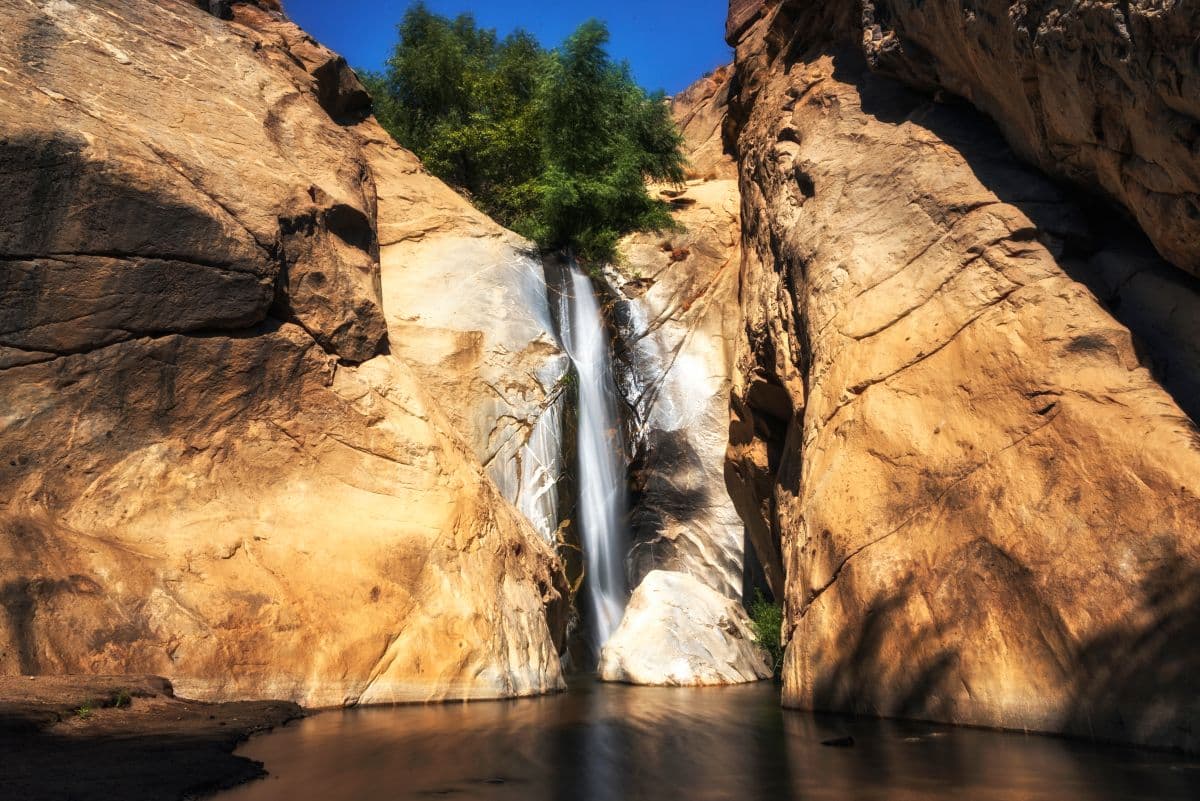
Part of the aquifer’s supply is local. According to the campaign, the basin is replenished by rainwater, San Jacinto snowmelt and Colorado River water. The Whitewater River begins near San Gorgonio Mountain in the San Bernardino Mountains. Mission Creek, Chino Canyon Wash, Palm Canyon Wash and other washes join it, but the water mainly soaks through the porous desert floor and recharges the aquifer.
Mountain streams also supply drinking water directly. Desert Water Agency draws on runoff from Snow Creek, Falls Creek and Chino Canyon, which were the main water source for Palm Springs before the early 1900s. The remainder of its drinking water, after the 95 percent from wells, comes from those streams, and supplies vary from year to year with rain and snowfall.
That natural supply does not keep pace with demand. The Desert Sun reported that, according to the Coachella Valley Water District, rain and mountain snowmelt are not nearly enough to naturally replenish what is pumped, and that the basin was in overdraft for decades, with more water pumped out than seeped back in.
The agencies’ answer was imported water. Desert Water Agency says it was created in 1961 to manage local groundwater by importing water from Northern California. The Desert Sun reported that the agency and the Coachella Valley Water District joined the State Water Project in the late 1960s and began using their entitlements to replenish the basin in 1973.
The water does not actually travel from Northern California. No pipeline or aqueduct connects the State Water Project to Palm Springs, so the agencies exchange their project water with the Metropolitan Water District of Southern California for Colorado River water delivered by the Colorado River Aqueduct. That water fills recharge ponds at Whitewater and Mission Creek, where it percolates into the aquifer. Since 1973, the two agencies have put more than a trillion gallons of imported Colorado River water into the basin, the agency says.
Keeping watch
Groundwater levels are monitored throughout the valley, with Desert Water Agency, Coachella Valley Water District and other local water agencies sharing responsibility for groundwater management under California’s Sustainable Groundwater Management Act.